
What Makes Australia's Display Homes a Model for Sustainable Living?
Australia's Display Homes: A Creative Benchmark
Unique Features and Design Elements
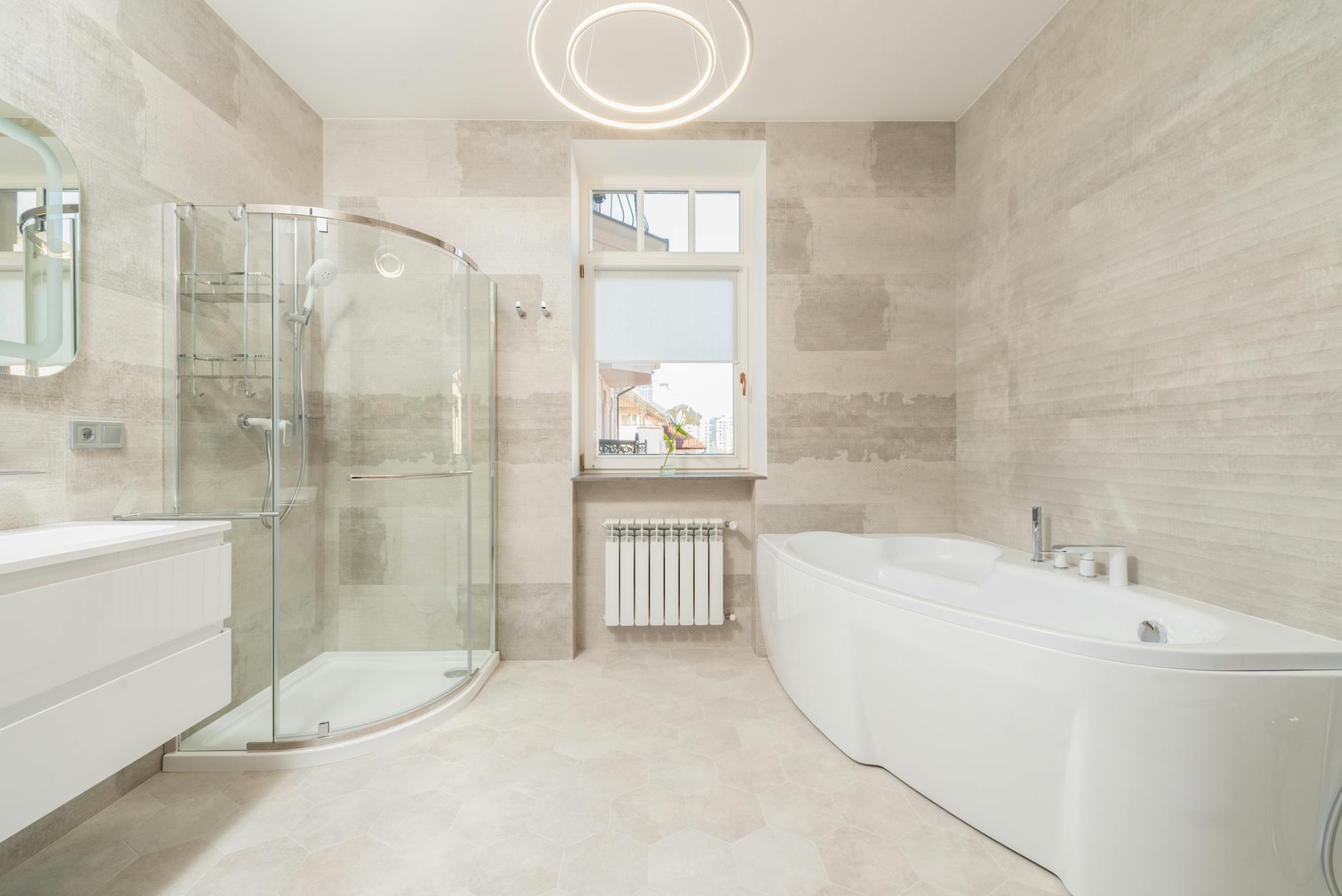
Living in Australia offers a vibrant palette of display home designs that ignite creativity and innovation. Take Sunbury, for instance, where display homes sunbury showcase a distinctive approach to architecture. These homes reflect a philosophy that marries aesthetic flair with practical functionality in a remarkable way. The designs often incorporate open-plan layouts, which are ideal for fostering a sense of spaciousness and versatility, essential for the Australian lifestyle. Creativity is expressed through the use of sustainable materials, blending modern infrastructure with artistic nuances that cater to diverse tastes.
How They Reflect Australian Lifestyle
When you explore wollert display homes, you'll notice they reflect the essence of the Australian lifestyle perfectly. A focus on outdoor living is paramount, as many homes feature expansive alfresco areas that seamlessly integrate with the main living spaces. This design choice not only capitalizes on Australia’s agreeable climate but also enhances social connectivity, an integral part of the Australian ethos. Furthermore, innovative shading techniques, akin to those seen in the eco-friendly constructions in South Brisbane, highlight a commitment to sustainable design.
Bridging Creativity and Functionality
In areas like Craigieburn, display homes craigieburn vic consistently bridge creativity and functionality. The structural layout often includes multi-use spaces that adapt to varying needs, providing both communal areas and private retreats. Attention to detail, such as incorporating ample natural light and energy-efficient technologies, mirrors efforts made in Brisbane’s Fortitude Valley district to enhance residential living. Those features not only inspire creativity but also support environmentally sustainable practices, ensuring that homes are not only aesthetically pleasing but also eco-friendly.
Sustainable Innovations in Display Homes
Eco-Friendly Materials and Practices
In the bustling district of Fortitude Valley, innovative infrastructure improvements are championing sustainability, reshaping the future of display homes for sale Melbourne. Integrating eco-friendly materials is crucial for any modern home aspiring to support environmental stewardship. These materials, like recycled steel and bamboo flooring, not only reduce the carbon footprint but also bring unique textures and richness to the home’s aesthetic. By choosing sustainable materials, homeowners can significantly diminish their impact on natural resources while creating visually engaging spaces.
Energy Efficiency Techniques
The transition to energy-efficient homes is an exciting development inspired by the eco-friendly building initiatives in South Brisbane. For those exploring a house and land package, incorporating energy efficiency goes beyond simple utility—it's a commitment to long-term savings and environmental health. Techniques such as installing smart thermostats, double-glazed windows, and solar panels are vital to enhancing energy conservation. These not only optimize energy usage but also contribute to a sustainable living experience that’s energy-efficient and cost-effective.
Water Conservation Strategies
Water conservation continues to be a priority by modelling sustainability after advancements at the Brisbane Showgrounds. Display homes become models of efficiency by integrating rainwater harvesting systems and low-flow plumbing fixtures. Such innovations are vital for reducing water waste and ensuring that every drop counts. Adopting these strategies allows homeowners to conserve resources without compromising on modern comforts, thus aligning with Brisbane’s vision of an environmentally conscious future.
Artistic Design Elements
Incorporating Local Aesthetics
There's something truly energizing about how Australian display homes use local aesthetics to create a captivating environment. Consider the display homes Tarneit as a perfect example. They embrace indigenous colors, bohemian textures, and materials inspired by the diverse Australian landscapes. These elements resonate well with personal styles, especially for those looking to add an artistic flair to their living spaces. By doing so, these homes don't just reflect the land they stand on; they also weave cultural narratives into the fabric of everyday living.
Use of Space and Natural Light
Effective use of space and natural light is transformative in creating an inviting home atmosphere. Take inspiration from designs like Point Cook display homes that balance indoor and outdoor spaces effortlessly. Rooms that open onto ambient garden areas or verandas not only enlarge living areas but also invite an abundance of natural light. This kind of design enhances the visual appeal while reducing the need for artificial lighting, supporting an eco-friendly lifestyle.
Embracing Modern Artistic Trends
Finally, the adoption of modern artistic trends in home design gives rise to unique and engaging spaces. By integrating elements like open floor plans, minimalist decor, and vibrant art pieces, designers create homes that offer both functionality and inspiration. A prime example is seen in innovative eco-friendly buildings in South Brisbane, where sustainable practices merge with cutting-edge design. These homes embody a spirit of creativity and sustainability that appeals to those desiring a vibrant and expressive living environment.
How to Implement in Your Space
Adapting Design to Smaller Spaces
Transforming compact areas into vibrant and functional spaces is a craft that can truly elevate your home's atmosphere. One effective approach is to embrace multi-purpose furniture, such as Murphy beds or modular sofas that can double as storage. Another technique is to focus on vertical storage solutions to declutter floor space and create an illusion of a more open environment. By using mirrors strategically, you can also add depth and amplify the sense of space in a room. Such methods not only enrich creativity but reflect the innovative approaches seen in mt atkinson display homes, providing inspiration for maximizing limited spaces.
Affordable Sustainable Solutions
Introducing sustainable elements into your home doesn't mean compromising on your budget. Start by incorporating energy-saving light bulbs and appliances, which not only reduce electricity consumption but also decrease long-term expenses. Opting for reclaimed wood or recycled materials for furniture and decor can add a unique touch to your space while supporting eco-friendly initiatives. Water-saving fixtures and programmable thermostats are impactful, budget-friendly additions. These solutions draw from the principles embraced by innovative eco-friendly buildings in South Brisbane, aligning with sustainable living goals without breaking the bank.
Personalizing for Individual Aesthetic
Crafting a home that mirrors your creative soul involves more than selecting aesthetically pleasing items. Consider incorporating unique artworks or personal DIY projects to infuse personality into your environment. Customizing color schemes and textures can further highlight your distinctive style. Taking cues from the eclectic nature of display homes Gisborne, an emphasis on blending modern amenities with artistic flair can transform your living areas into spaces that resonate with your individuality. Let your home be a sanctuary that embodies your essence through every carefully curated element.
Common Pitfalls to Avoid
Prioritizing Style Over Functionality
A mistake I've often encountered in Brisbane's building scene is the tendency to prioritize aesthetics over practicality. While it’s tempting to lean into the latest design fads, it's crucial to ensure your home remains livable and efficient. Consider incorporating multi-functional furniture, especially in smaller spaces, to maximize utility. Reflect on the thoughtful use of space seen in the Brisbane Showgrounds project developments, where practicality meets innovation without compromising style.
Neglecting Maintenance Requirements
Sustainability starts with regular upkeep. Ignoring maintenance needs can turn even the best designs into unsustainable nightmares. Opt for eco-friendly materials that offer longevity and require minimal maintenance, such as recycled composite decking or reclaimed timber. These choices not only reduce your carbon footprint but also bring that natural aesthetic into urban settings, reminiscent of the innovative eco-friendly buildings in South Brisbane.
Misaligning Design with Daily Living
Design that doesn’t align with your lifestyle can lead to discomfort and inefficiency. Evaluate your daily routines and ensure they mesh with your home’s layout. Simple enhancements like optimizing storage solutions or incorporating energy-efficient solar panels can make a significant difference. In the spirit of Fortitude Valley's infrastructure improvements, focus on integrating sustainable technologies that harmonize with modern living demands, thus keeping your home aligned with your evolving lifestyle.